Web Design Company

Comparing Gas Logs and Gas Inserts for SLC Clients

For those looking for a reliable source of both heat and beautiful aesthetics, gas fireplace options are some of your best available. Within the realm of gas fireplace solutions, you typically have two primary choices: Gas logs and gas fireplace inserts. Which is best for your needs?

At Uintah Fireplace and Design, we’re happy to offer both these products — gas inserts and gas logs — to all our SLC fireplace clients, plus expertise on which is ideal for your setup, budget and other needs. What are each of these products, how do they compare in some important fireplace-related areas, and which should you choose? Here’s a primer.

Gas Insert Basics

For those who already have an existing fireplace area in their home, but want to convert it to a more efficient and less costly gas burning format, gas inserts are ideal. A gas insert is a fireplace insert that contains a gas-producing device to fuel the flame.

In most cases, this is much safer than using natural gas or propane, because no open flame is required. This also means you won’t have to burn off impurities in your home’s chimney over time.

Gas inserts are great because they do not require a full renovation or rebuild of your existing fireplace, while still providing all the beauty and functionality you’d expect from a traditional wood-burning fireplace.

Gas Log Basics

For those who prefer a more authentic flame look, but still want the gas-powered fuel source, gas logs are generally the ideal choice. Gas logs are basically just that: Gas-fueled logs, designed to look like a real wood-burning fire.

These days, gas logs come in many styles and varieties — some which are even remote controlled! You’ll find gas logs made to fit most standard-size masonry fireplaces. Because they’re so highly customizable by design, gas logs can also be used with vented or ventless fireplaces, as well as gas burning stoves.

Gas logs and gas inserts do have some similarities, such as the fact that neither produces flames that do any cracking, popping or flickering — this is because they’re synthetic in nature. Our next several sections will go over some important areas of comparison between the two.

General Fireplace Aesthetics

As we noted above, one area where gas logs will generally be superior to gas inserts is the way your fireplace looks. Gas logs look far more realistic than gas inserts.

This is largely due to the fact that, while both product types produce artificial flames, gas logs are designed to mimic a real wood fire’s visual appearance as closely as possible. The size, shape and behavior of the flame varies with different styles of gas logs.

Gas fireplace inserts will still provide you with a beautiful piece of fireplace décor, and will fit into your existing masonry opening — provided it’s the proper size for the insert. You will see the flames inside the glass, though they’re sealed inside. You have certain options available for gas-insert styles with grates or doors, but these are exclusively for appearance and will increase your cost.

Heat Efficiency

Efficiency is also naturally a major topic for those considering a fireplace, and this is one area where gas inserts hold an advantage over gas logs in most cases. Gas inserts have a glass cover that leads to far less heat loss, all else being equal.

This means that gas inserts provide a more efficient source of heat to your home overall. However, many gas logs today come with special features that increase their overall efficiency — read the description and specifications for any specific model you’re considering before purchase if you want the most efficient product possible.

In addition, whether or not the fireplace is vented will play a big role in its efficiency. Vented gas insert fireplaces are about 80% efficient in most cases, but ventless gas inserts reach anywhere from 92 to even 99% efficiency, the very best you’ll find on the market today. At the same time, ventless inserts may sometimes create odors you don’t enjoy, plus may have a few additional safety precautions you may need to take.

Lighting and Chimney Requirements

Gas inserts and gas logs will also differ in the way they’re lit, plus in the chimney requirements they come with. Gas logs can sometimes be lit with just a match, while others have a switch that ignites a pilot light. Gas insert fireplaces will always be lit using a switch, on the other hand.

Both will require a chimney and chimney cleaning if they are vented, one area where they’re similar. For vented gas inserts, however, flexible heat-resistant pipes can often be used instead of a chimney, and less smoke and soot will be created in these cases.

Cost

Finally, cost is a vital consideration for many buyers. And because the true cost of a fireplace — including long-term maintenance and use — generally goes hand-in-hand with efficiency, gas inserts tend to typically hold an edge in this area. Gas insert fireplaces will usually come in at about half the per-hour operating costs of gas logs, though these prices can be impacted by changing natural gas and propane prices. Even in cases where installation costs are similar, this means that inserts will be the much more cost-effective model over a long period of time.

For more on choosing between gas inserts and gas logs for your new gas fireplace, or to learn about any of our fireplace services in Salt Lake City, speak to the team at Uintah Fireplace and Design today.

On Fireplace Glass Importance and Cleaning Tips

For most modern and traditional fireplaces, a sheet of glass will be placed in front of the actual fireplace opening for both safety and efficiency. This glass protects people and pets in your home from burn risks, plus also ensures that air is being vented properly so you aren’t losing air.

At Uintah Fireplaces, we’re here to not only provide a huge range of fireplace options, including both gas and electric fireplaces, but also to offer expertise on the care of any part of your fireplace setup. One common topic we assist our clients with: Cleaning and maintaining the glass that sits in front of their fireplace, ensuring it does its job — and that it’s aesthetically pleasing to the space while doing so. Why is cleaning this glass important, and what other roles does your fireplace glass play? Here’s a primer.

Fireplace Glass Purpose and Cleaning Value

Most modern fireplaces are very low-maintenance, including both gas and electric options, but one of the few areas where some occasional attention might be required is in cleaning their glass. There are a few reasons why doing this is important, the first of which is a potential buildup of a hazy film that may present itself on this glass — and depending on how recently you installed the fireplace, the reasons for this film may differ:

  • New fireplace: If your fireplace is brand-new, there is a period of what’s known as “off-gassing” during the first extended uses of the fireplace. Off-gassing involves the release of certain chemical compounds from the construction of the fireplace, which can present as a hazy film or breathability on the glass itself. If you see this when your fireplace is new, it’s natural and should dissipate in time (how quickly depends upon how heavily you use your fireplace). If it doesn’t, you can attempt the basic cleaning steps we’ll go over later in this blog.
  • Old/Unused fireplace: For older fireplaces or those that haven’t been used in a long time, on the other hand, this hazy film usually builds up due to natural humidity in the air. Depending on where you live, this could be every day during the winter months alone! If this is the case, you’ll need to consider a number of different factors — including how often you use your fireplace and what kind of wood it’s burning — when figuring out how often to clean these windows. In addition, you may have to consider some venting themes if your older fireplace is showing this film.

In either of these cases, cleaning the film off your glass will return it to a pristine form. This is important for homeowners who closely monitor the aesthetics of their home decor, and it’s also critical if you want to ensure that autumn and winter weather isn’t interfering with your fireplace’s air ventilation and efficiency. When you clean it periodically (and we’ll discuss how often in a moment), the glass is like new again — meaning no film or fog, which allows the outdoor elements to be vented properly.

In addition, however, fireplace glass can serve as an initial signal to you that something is going wrong within the fireplace itself. If you see any water or moisture on the glass, for instance, that means there’s a leak somewhere in the fireplace itself — and this likely requires a call to a professional to determine where it’s coming from.

Basic Steps for Cleaning Fireplace Glass

If you’re seeing a hazy buildup or any other kind of dirt or grime formation on your fireplace glass, cleaning it is luckily very simple and straightforward. Here are some basic steps:

  • Following your fireplace manual’s specific instructions, turn off the gas or electricity to the fireplace and allow it to cool down.
  • Open the front of the fireplace.
  • Leave the glass on fireplace hinges, if they’re present. If they aren’t, remove the glass and place it on a flat, clean surface like a table or countertop.
  • Using a glass cleaner and paper towels (or equivalent), wipe the glass down very carefully and thoroughly. If there are specific manufacturer instructions for cleaning the glass, you should follow these directly. Wipe down both sides of the glass if it’s double-sided. We recommend wiping in circular motions, moving in opposing directions so as to cover the sides uniformly.
  • After you’ve wiped down both sides of the glass, replace it into its original position in front of the fireplace.
  • Turn on the gas or electricity again to activate your fireplace’s burner(s).

Safety Precautions

Safety is vital during this process, even despite the fact that fireplace fuel will be turned off. A few pointers we can offer down these lines:

  • Do not use any ammonia-based cleaners or Windex, as they can damage the finish on your fireplace.
  • Do not use abrasive cleaning pads or sponges, or abrasive products like Comet that may risk the integrity of the glass.
  • Do not use any cleaning tools or cleaners that produce steam (steam cleaners or carpet cleaners), as this can cause dangerous heat build-up within the firebox.
  • Always keep a safe distance between you, the fireplace and any pets or children to ensure they don’t accidentally come into contact with hot glass.

For more on why fireplace glass is important and how to clean it, or to learn about any of our gas or electric fireplace services, speak to the staff at Uintah Fireplaces today.

Tips for Igniting and Operating Your SLC Gas Fireplace

For those who are new to the style, using a gas fireplace might seem a bit foreign. It’s a very different process for those who are used to lighting traditional wood logs or using another format, but luckily it’s also a relatively simple and straightforward new approach to get yourself familiar with.

At Uintah Fireplaces, we’re proud to not only offer the best and most affordable gas fireplaces in Salt Lake City, but also to provide simple assistance with how to use and maintain any of our products. What are some general tips we offer clients on how to learn more about their new gas fireplace and operate it properly? Here are several.

Checking Your Manual

The single best resource you have available to you when it comes to understanding your gas fireplace: The manual that comes with your model. This manual will contain information ranging from how to install your unit, the controls and safety features, how to clean it, what type of remote is included or if none is needed, warranty information or other special items.

Much like when you open a manual for any sort of electronic device that comes with an instruction booklet, be sure to give it a read through at least once in full before getting started. If you’ve misplaced your manual or never received one to begin with, simply contact our team or visit the manufacturer’s website, where you should typically be able to download it for free.

Using the Wall Switch

For today’s modern gas fireplaces, a common feature that makes operations incredibly simple is the wall switch. This is typically a small, rectangular box attached to one side of your fireplace that can be removed or replaced if necessary. It’s powered using batteries, which are included with the product upon purchase.

These wall switches don’t simply turn your gas fireplace on and off without any advanced features – they’re typically designed to work in conjunction with remotes, too. You can use it to toggle flame brightness or activate a flame bed feature such as an ember bed, flameless candle effect or fire logs. However you want to control your fireplace, the wall switch is what makes that possible.

When the fireplace is first installed, you should take some time to test out this wall switch and ensure it’s performing its advertised functions. If this method does not light the fireplace, however, or if your gas fireplace didn’t come with a wall switch at all, you will have to manually light your pilot light instead — and there are two different methods for this, which we’ll go over in our next couple sections.

Igniting Gas Fireplace With a Key

In many cases, your gas fireplace will come with a key — some will have it already installed into the wall, while others will require you to insert it. Here are the basic steps to lighting your gas fireplace using this key:

  • Remove cover: For safety reasons, you cannot activate your fireplace without first removing any sort of cover that may be in place. This typically means lining up an arrow on one side of the key with a corresponding marking on the other end, then pushing down to remove it.
  • Insert ignition key: You’ll see a hole in which you can insert the key into your fireplace, usually to the right or left of the fireplace. In some cases, as we just noted, the key will already be installed into this hole. If yours does not, you will have to insert it.
  • Gloves and lighter: Before turning the ignition key, ensure you have heat-resistant gloves — and now is the time to put them on. In addition, you’ll need a long lighter or a long match to help ignite the pilot light once the key is turned.
  • Turn key: If you’re familiar with children’s toys, this will provide a similar experience. Turn the key about a half-turn counterclockwise — this will release gas into the pilot ignition line that will then light up. It’s a good idea to keep your lighter or long match on hand, just in case it takes multiple attempts!
  • Ventilation: If you smell gas in any way, or even if you just want to be careful here, open your sliding glass door or open a window to allow for ventilation. You can turn the key back in small increments, if needed, after doing so.
  • Replace cover: Once the pilot light is on, you can replace all covers that were taken off.

Igniting Gas Fireplace With a Control Panel

In still other situations, a fireplace key won’t be an option and you’ll have to open your control panel to manage your pilot light. Here are the basic steps here:

  • Open control panel: This is usually found behind your fireplace screen; if not, consult your manual to locate it.
  • Turn control knob on: This is the part of your control panel where you’ll turn a knob — clockwise to activate it, counterclockwise to deactivate. If there’s a button involved instead of a knob, you will usually have to push that button for this step.
  • Ventilation: Again, whether or not you smell gas, you should open a window for ventilation right before continuing.
  • Shutoff valve: If the fireplace has a shutoff valve, you need to turn it until the handle is parallel with the gas line — this allows fuel into the fireplace.
  • Light pilot: When you’re ready, turn the control knob to the pilot position. While doing so, press and hold the control knob and hit the fireplace ignition switch until you see ignition.
  • If this doesn’t work, re-try the previous steps. If it does, move the control knob from PILOT to ON, then replace your cover.

For more on how to operate your gas fireplace properly, or to learn about any of our fireplace services in Salt Lake City or nearby areas, speak to the staff at Uintah Fireplaces today.

Possible Causes of Gas Fireplace Ignition Issues

Everyone loves a good sit down by the fireplace, but not if your gas fireplace has started going out regularly. There are a few reasons why this might be happening, mostly related to issues with sensors or various valves, and knowing about these possible issues — plus how to spot and prevent them — can go a long way for fireplace owners.

At Uintah Fireplace and Design, we’re happy to not only offer the very best gas fireplaces throughout Utah, but also to provide fireplace service and repairs for any of our products, including gas fireplaces that are experiencing low burning issues or are continuously going out during normal operations. What are some of the possible culprits here, what are a few basic techniques you can look at to remedy the situation on your own, and when should you leave this job to our pros? Here’s a basic primer.

Pilot Light

The first area you should be checking if your gas fireplace is having operational issues is your pilot light. Typically located on a wall inside the fireplace or behind your logs somewhere, the pilot light is what keeps the fireplace lit, but it needs to be receiving sufficient airflow in order to do so. What happens sometimes is that enough dust or biomass has built up on the pilot light wall that it’s restricting airflow — your gas fireplace will still try and start, but then will quickly go out since there isn’t enough oxygen available.

In most cases, you can at least check the pilot light on your own without calling our team. Your pilot light and fireplace setup will either be operated by a key or a control panel and how you operate it depends on this differentiation:

  • Fireplace with a key: If your fireplace has a key, insert it into the gas valve knob and turn it 90 degrees. This should turn off the gas to your fireplace and deactivate the keyhole and ignition system. You may have to hold a lighter up to the burner simultaneously.
  • Fireplace with a control panel: Turn the switch on at the control panel to “O” or “Off.” Form here, turn the shutoff valve until it’s parallel with your gas line. When you’re ready to light the pilot light, move the knob to the “Pilot” position and then hold the knob down while also pressing the ignition switch. Press the knob down for at least 30 seconds, and then turn the knob back to On.

Once you’ve successfully turned on your pilot light, check what color it is. If it’s dark blue around the edges and lighter blue inside, you’re all set; if it’s yellow or red, your gas is contaminated and you will need to contact our pros for assistance.

Cleaning Pilot Light

In some cases, you can get a mistaken reading from your pilot light if it’s dirty. For this reason, try quickly cleaning it with these steps before you attempt the above steps (or after, if you’re concerned your reading was wrong):

  • Turn off the gas supply to the fireplace
  • Remove the pilot light and remove any buildup with a strong wire brush
  • For any areas you can’t reach, use compressed air for cleaning

If this solves your issue, good! If the pilot doesn’t stay lit after this, however, you could have a thermocouple issue; if the pilot light is on but the fireplace still won’t turn on, you could be dealing with a thermopile concern. We’ll go over both of these momentarily.

Thermocouple and Thermopile Voltage

There are two items that play an important role in gas fireplace operations. Here’s what each of them do:

  • Thermocouple: The thermocouple is the item that keeps the pilot light lit by sending a signal to your gas valve to let it know that the fireplace is actually turned on. When you push the ignition button, this triggers a small burst of gas through your pilot light and then into your burner (hence why you hear that “whoosh” sound). If the thermocouple malfunctions, however, it will no longer be able to send this signal to your keyhole, and your gas fireplace will not light.
  • Thermopile: The thermopile, on the other hand, is an electrical instrument that changes thermal power into electrical power. A thermopile may involve the combination of several thermocouples in some cases.

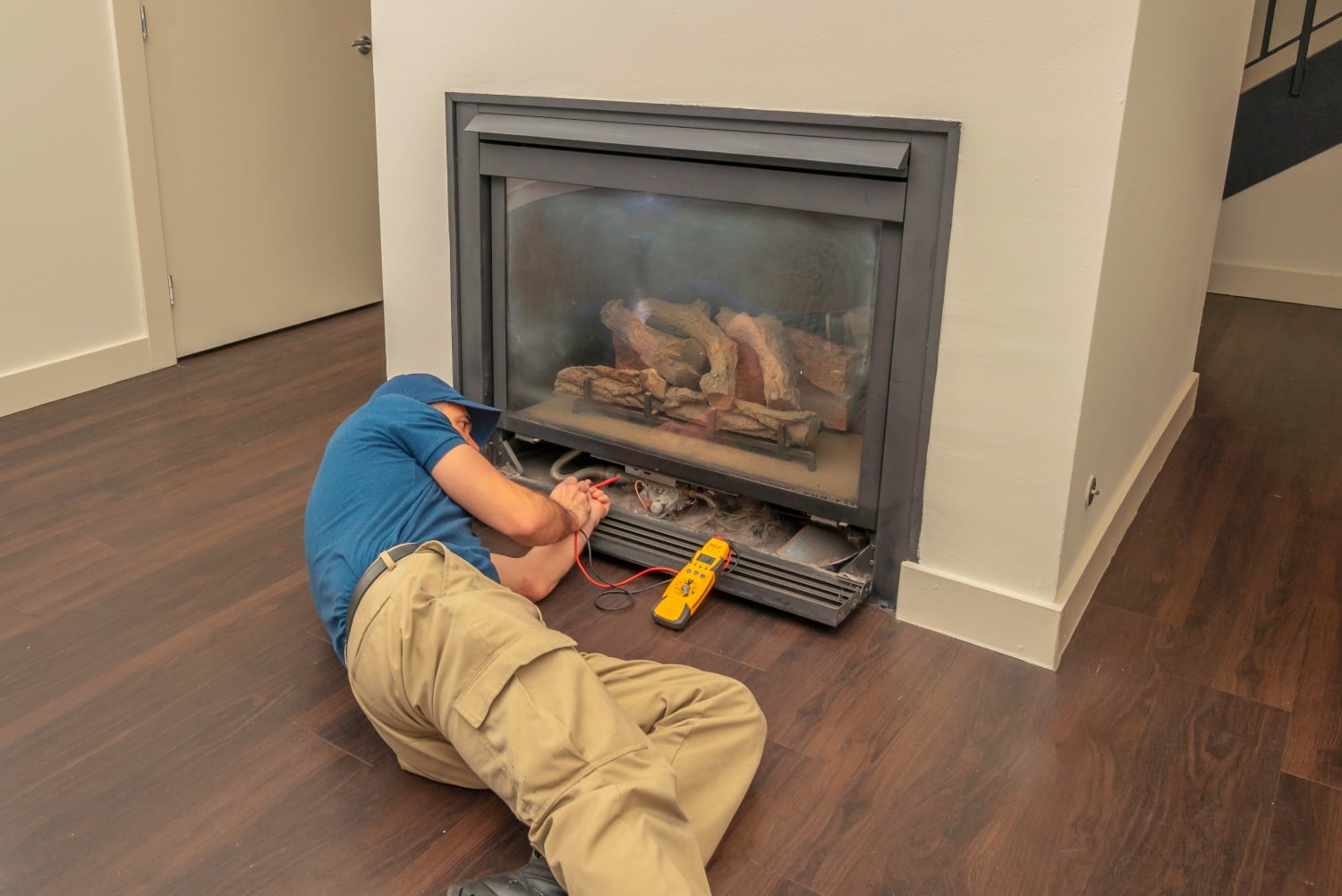
And if either of the issues we noted at the end of the last section are present, you may need to check the voltage for one or both of these items. This can be done using a basic multimeter you can purchase at any home improvement store. A thermopile voltage below 300 millivolts means the item should be replaced; a thermocouple reading below 25 millivolts signals the same thing.

Professional Assistance

If you’re unsure about your skills for performing any part of the process we’ve gone over to this point, do not hesitate to call our team of fireplace experts for help. In addition, do not attempt any further repairs or changes beyond what we’ve gone over here unless you have specified training with gas fireplaces — not only are you risking your own safety, you may create even further problems that just cost more to replace. Instead, rely on professionals who know exactly how to diagnose your issue and remedy it quickly and affordably.

For more on understanding why your gas fireplace is going out — plus solving the problem quickly and affordably — speak to the staff at Uintah Fireplace & Design today.

Ensuring Fireplace Chimney Safety and Efficacy

There are a few important components that play a role in the operations of your fireplace, and one of these is the chimney. The chimney serves as the primary ventilation area for most fireplaces, and ensuring that your chimney remains clean and safe on a regular basis is important as you operate your fireplace through the winter.

At Uintah Fireplace and Design, we’re happy to provide a wide range of fireplace service and repairs to our clients throughout Utah, including assistance with your chimney and other associated components or areas. What are some basic signs that your fireplace chimney is safe and in good working order (plus signs that it’s not), and which basic tips can our team offer you on how to keep the chimney area as safe as possible throughout the winter? Here’s a primer.

Indicators of a Safe (Or Unsafe) Fireplace Chimney

There are several areas you’ll want to inspect periodically to ensure your chimney is operating safety and optimally. These include:

  • Chimney cap: One of the most important items within the chimney setup is your chimney cap, which helps keep rain, debris, and critters from entering the chimney and causing a blockage. If you don’t have a cap or it’s damaged, replace it as soon as possible. In addition, you should ensure that there’s no buildup of debris or other items within your cap, as this can also create a fire hazard. Finally, if you can visually inspect the cap from the roof, ensure there are no bird’s nests or other problems near the cap.
  • Smoke chamber: One of the most important components of your fireplace is the smoke chamber – it’s where the heat and gases from the fire pass through and out into the chimney. When inspecting this area, look for buildup on any glass doors or chambers that may be part of the setup. If you find any buildup, it’s important to clean it as soon as possible.
  • Tree limbs: From the ground level of your property, perform a visual inspection to confirm that there are no tree limbs or other items hanging over or close to your chimney. If there are, trim them back as soon as possible.
  • Flue: The flue is the main passageway for smoke and gases from the fire, and it should be free of obstructions at all times. You can inspect this area by looking up into the chimney – if you see obstructions, it’s time to have the chimney serviced by a professional fireplace company.
  • Distances: Confirm that your chimney rises at least three feet above your roofline, and at least two feet above any wall, roof or other building close by.

Other Chimney Safety Tips

In addition to all the checks above, here are some other tips on how to keep your fireplace chimney safe and operational throughout the winter:

  • Firewood seasoning: If your fireplace uses firewood as its burning format, you should be prioritizing well-seasoned firewood that’s had at least six months to dry. Seasoned firewood is less dense and produces less creosote than freshly-cut or unseasoned wood, which means it’s safer to burn and easier on your chimney setup.
  • Replace chimney cap: If your chimney cap is more than 10 years old or shows any signs of damage, it’s time to replace it immediately. We generally recommend stainless steel caps because they’ll last the longest and survive even the harshest weather.
  • Insulate: If you don’t have any insulation within your chimney and smoke chamber, now’s a great time to add it. Insulating those areas will help ensure that heat remains there where it belongs, as opposed to being lost into the surrounding area or outside heating up your home unnecessarily.
  • Smoke detectors: In addition to all of the above, you should always have working smoke detectors installed on every level of your home. Smoke from a chimney fire can quickly fill up a house and lead to disaster if there’s no warning system in place.
  • Don’t use chemical or fluid fire-starters: For proper chimney safety, you should never be using chemical or fluid fire-starters within your fireplace. These products burn at a much hotter temperature than wood and can quickly cause a chimney fire if they ignite debris already present in the chamber. They also leave a residue that can be difficult to clean and can damage your chimney over time.
  • Keep fireplace area clear: Chimney and fireplace safety go hand in hand, and one of the simplest ways to ensure good safety is to keep the surrounding area clean and clear of any combustible materials. This helps minimize the chances of a fire starting somewhere else in your home and spreading to the fireplace.
  • Consider electric options: If you’re installing a new fireplace and want the simplest chimney maintenance out there, you should start with the electric fireplace. Electric fireplaces operate with a simple on/off switch and no additional wood, gas or chimney maintenance required at all. Plus you can use them year-round!
  • Schedule annual chimney inspections: Especially for wood and gas fireplaces where the chimney is an essential part of the setup, it’s important to schedule an annual inspection with a professional. This will help ensure that your fireplace and chimney are in good condition and ready for use during the winter. Many fireplace owners schedule these inspections just before the major winter season starts, for both convenience and the ability to make any repairs or tweaks necessary before heating season gets going in earnest.

For more on your fireplace chimney and how to keep it safe at all times, or to learn about any of our electric, wood and gas fireplace options, speak to the pros at Uintah Fireplace and Design today.
Choosing Ideal Fireplace Style for Your Park City Home

If you’re considering a new fireplace for any area in your home, this is likely an exciting time where you’re thinking about several things. One of the top priorities to keep in mind here: Choosing the ideal style, including not only the proper fuel source for your needs, but also in a few other important areas.

At Uintah Fireplace and Design, we’re proud to offer a wide range of new fireplace options in Park City and other parts of Utah, including all three of today’s primary fireplace fuel sources: Electric, gas and wood. While you’re choosing between these three for your needs, though, it’s important to dig a little further than just the fuel source alone and look at some other details — with that in mind, here’s a primer on each of these three fuel types, plus some of their sub-categories and why each might be an ideal choice for your upcoming fireplace installation needs.

Gas Fireplaces

As the name suggests, gas fireplaces utilize either propane or natural gas to fuel a burn that typically runs for between three and four hours at a time. Gas-burning fireplaces either actively heat the home or serve as standalone items; those that do not actively heat (and rely on existing heating methods such as your furnace) are referred to as vent-free fireplaces, which typically come with their own ventilation system.

Let’s get a little more specific on the types of gas fireplace you have available to you today:

  • Direct vent gas fireplace: These gas fireplaces require an exterior vent, both to draw in air and to expel exhaust. This makes them one of the more popular options, as they typically blend in nicely with your exterior home décor and do not take up any extra space inside (and can even be placed directly alongside the wall). If necessary, you can add blowers to these fireplaces that will direct warmth from the fireplace into the home, helping with energy efficiency during cold months.
  • Natural vent gas fireplace: Also called a B-vent gas fireplace, this type draws in air from within the home, but then expels it through exhaust via a chimney that runs through the roof.
  • Vent-free gas fireplace: As noted above, this is a gas fireplace that requires no venting at all. It’s typically known to be more efficient than other gas types, burning cleanly and resulting in fewer emissions.

That’s still not the end of the story when it comes to gas fireplaces, however. You also have several specific design or construction options if you’re going this route, including:

  • Freestanding stoves: These are typically direct vent gas fireplaces made from cast iron or steel, with a glass front that covers the flame when it’s not being used.
  • Inserts: These are gas fireplaces made specifically to be inserted into a masonry or pre-built fireplace with an existing chimney, so they blend in seamlessly and require no construction of their own. As a bonus, inserts typically have a double wall that lets them work more efficiently during all seasons.
  • Zero-clearance: Fireplaces that are pre-manufactured and can be installed directly against materials like wood, walls or panels.

Electric Fireplaces

For those looking for a mix of modern and traditional fireplace style, electric options are a great choice. Once again, though, this category splits into three primary subcategories:

  • Wall-mount electric fireplace: Designed to hang on a wall, these electric fireplaces have both heater and flame options, so you can choose whether or not to allow heat into the room.
  • Built-in electric fireplace: For the most seamless look possible, the built-in electric fireplace will be built directly into any wall area of your choosing, providing the same heat and flame options as well as an entertainment system if desired.
  • Free-standing fireplace: Also known as electric fireplaces, these are similar to freestanding stoves but do not provide additional heat due to their open flame. Instead, they provide a modern touch without sacrificing any necessary heating capabilities, in many ways mimicking traditional fireplaces from an aesthetic standpoint.

A major part of the benefit of electric fireplaces is how versatile they are — they can be installed virtually anywhere in your home, from hallways to kitchens, living rooms and bedrooms. Some can be controlled via remote control in addition to the standard on/off switch, while others may even boast a built-in sound system that lets you enjoy music or television in the background with ease.

On the flip side, they may not add as much value to the home as other styles. In addition, they cannot be used when the power goes out.

Wood Fireplaces

Finally, the most traditional fireplace option, wood, remains viable today. Again, though, your choice will largely depend on the specific type you’re looking for:

  • Open hearth wood fireplace: Open fireproof boxes that are built into the wall of your home, with an exterior chimney.
  • Wood-burning stove: Used as a supplemental heat source rather than as the only source of warmth, stoves are built to be placed against an exterior wall and can come in one or more sections.
  • Zero-clearance wood fireplaces: Enclosed wood fireplaces that are completely fireproof, allowing them to be placed against exterior walls in an indoor area.
  • Wood-burning fireplace inserts: Finally, a very popular wood option today is the wood-burning insert, which is an enclosed box that’s meant to sit within an existing fireplace opening.

For those who want the most traditional look, aroma and even sound from their fireplace, wood is really the only choice. However, those going this route must realize that there’s some significant maintenance involved, from caring for the fireplace to preparing wood — but if you’re prepared for this, you really can’t go wrong here.

For more on choosing the ideal fireplace for your needs, or to learn about any of our modern fireplace options, speak to the staff at Uintah Fireplace and Design today.

Tips for Redesigning an Older Wood Fireplace

For a few different reasons, whether it’s because your old fireplace isn’t working properly anymore, you want to convert to a more sustainable burning format, or based on simple preference, you may be looking to modernize your existing wood-burning fireplace. If you’ve landed on this as your preferred outcome, there are a number of options you have for getting there.

At Uintah Fireplace and Design, we’re proud to offer a huge range of contemporary fireplace options, from gas logs and electric fuel options to several forms of inserts that work very well in converting an old fireplace space to a modern format. What are some of the options we present to clients who are looking to redesign an older wood fireplace area into something that better fits with the times — and possibly is far more efficient, as well? Here’s a primer.

Major Fuel Format Overhaul

For those who have both the funds and desire to do so, one of the most significant options you’ll have for redesigning your wood-burning fireplace is to install an entirely new fireplace in the same area — using a modern fuel alternative. Your primary options here are well-known:

  • Gas fireplace: The option of using gas logs has grown increasingly popular over the past several years, as people have begun to better understand the advantages that come along with this fuel type. Modern natural gas or propane fireplaces come with all the aesthetics and ambiance of a typical wood fireplace, but you can switch them on and off as needed. They also have the advantage of giving a significant amount of heat output for their size. And best of all, unlike wood options that cause all sorts of soot and ash, the modern gas logs are clean-burning. They require no flue maintenance and far less chimney maintenance, plus provide instant ignition with no need to wait for the kindling to catch.
  • Electric fireplace: These are another modern take on the classic looking fireplace aesthetic, but use electric heating elements built into stylish models instead of gas or wood. Electric fireplaces make it easy to turn down the heat while you’re home without giving up warmth in other rooms; they also offer a remote control for adjusting the temperature and flame type without leaving a cozy seat. Electric fireplaces aren’t as powerful as gas options, but they’re an excellent choice for those who have little interest in maintaining a wood-burning fireplace from day to day.
  • Pellet stoves: While these options are geared more toward those who utilize renewable and sustainable energy sources for their homes, pellet stoves offer a safe and modern way to heat your living space. They operate much like standard wood-burning fireplaces of the past except they require using only approved pellets made from recycled material or biomass sources. Wood-pellet burning doesn’t cause nearly as much air pollution as burning wood, and the heating elements are far more efficient than those of old.

Inserts

In some cases, you may not have the budget or the desire to completely overhaul your fireplace area. Luckily, this is where the realm of fireplace inserts comes into play. Inserts are designed to fit into the existing fireplace area and provide a more direct heat source than older fireplaces allowed. This is especially helpful if your home was built before 1990, as most of those homes can usually accommodate an insert more easily than a full remodel job.

Again, the two most common forms of inserts are well-known:

  • Gas fireplace inserts: Solid-fuel burning inserts are the most popular type of fireplace inserts on the market today, and for good reason. They provide an easy way to make your old, inefficient fireplace more efficient by using gas flames to warm your living space directly. They are easy to install, can be turned on and off as needed, and need minimal cleaning. Some models even come with options for thermostat control or remote controls!
  • Electric fireplace inserts: Like other electric fireplaces, these are ideal for those who don’t want the hassle of tending to a wood-burning stove area. They provide clean-burning comfort that is ideal for smaller living spaces, and need only the installation of an electric outlet to get started. Some may even include heat lamps or blowers which can be used with the fireplace.

Because inserts are generally far more affordable than converting the entire area to a gas or electric fireplace, it’s worth exploring this option if you’re still not sure exactly what new fireplace type is best for your home and situation.

Hearth and Mantle Upgrades

While changes to your fuel format and fireplace style are some of the most notable you can make when upgrading or modernizing it, there are also other areas you can look at here. For instance, if you’re looking to modernize your existing fireplace and upgrade the aesthetics, upgrading the hearth and mantle with new materials can be a great choice. This is also one of the easiest changes to make, since most traditional hearths and mantles are simply designed for easy removal and replacement.

Different options exist depending on what look you’re going for and what type of material you’d like to use. Options for hearth and mantle installation materials include everything from stone and tile to natural stones, metals, or even painted finishes.

As you can see, there are a number of options available to you if you’re looking to convert your older wood fireplace area into something more modern. For more on this, or to learn about any of our fireplace options, speak to the team at Uintah Fireplace and Design today.

Why Electric Fireplaces Are Ideal for Many Homeowners

With all the modern fireplace options available today, choosing which is best for your home and situation can be tough. More and more people, however, have begun to gravitate toward electric fireplaces and electric logs over other options, and there are several reasons for this.

At Uintah Fireplace and Design, we’re proud to offer high-quality electric fireplaces and accessories for clients throughout Utah. Our electric options are the most prudent choice for a number of clients — are you one of them? Here are some of the major benefits of going electric with your fireplace, plus themes to consider while comparing this format with other fireplace types.

Incredibly Low Maintenance Costs

For those who are sick of the relatively significant maintenance that comes with a wood-burning or gas fireplace, electric logs are a dream come true. There’s no need to sweep up ashes or scrub down the chimney; in fact, you don’t even have to have a chimney! All you need is a nearby plug and you’re good to go.

This is because there’s no actual ash being created when the logs are burning; instead, heat is converted into light and energy. You will still need to clean the glass occasionally, but that’s a small price to pay for not having to worry about anything else. There’s no chimney to scrub, no wood to stack, and no gas line to maintain. Not only will your costs be much lower, so will your hassle and time spent on these tasks.

In addition, your need for professional maintenance or repairs will be greatly reduced. We all know that gas and wood fireplaces can be temperamental, but with electric logs you don’t have to worry about that at all.

Zero Emissions

For the environmentally conscious, electric fireplaces are a perfect choice. Wood-burning and gas fireplaces can produce harmful emissions like carbon monoxide, which can be dangerous not just for your family but also for your pets. Electric logs produce zero emissions, making them the healthiest and most environmentally friendly option on the market.

Plus, with concerns about climate change and air quality on the rise, more and more people are looking for ways to reduce their carbon footprint. An electric fireplace is a great way to do that without making any major changes to your lifestyle.

Wide Variety of Styles

Electric fireplaces come in a wide variety of styles, so you’re sure to find one that matches your home’s look and feel. From traditional mantels to sleek, modern designs, there’s an electric fireplace to fit any aesthetic.

Plus, with the advent of LED technology, many electric fireplaces come with innovative features like flames that flicker and change color. This can add a touch of extra luxury and ambiance to your space.

Good in All Seasons

Many people don’t realize it, but electric fireplaces are capable of operating without creating any heat at all — making them perfect for year-round use. While gas and wood fireplaces are preferred in the winter, electric logs can provide a cozy glow and atmosphere no matter what the temperature is outside.

This means you can enjoy all the benefits of a fireplace year-round, without having to worry about heating your home in the colder months. Plus, if you have a heat pump, you can actually use your electric fireplace to help heat your home!

Durability and Longevity

Due to both the lack of maintenance and the lack of emissions, electric fireplaces are incredibly durable and long-lasting. With proper care, they can last for decades without needing any repairs or replacements.

This is in stark contrast to gas and wood fireplaces, which can require a lot of upkeep and have a shorter lifespan. If you’re looking for a fireplace that will last you for years and years, go with electric.

Space Efficiency

One theme many homeowners are interested in is space efficiency. Whether you’re living in a small apartment or just want to make the most of your space, electric fireplaces are a great option.

Because they don’t require any special installation and can be plugged into any standard outlet, they’re incredibly easy to set up and use. You don’t need to worry about finding room for a bulky fireplace or chimney, and they can even be mounted on the wall if you want.

In addition, electric fireplaces come in various different side quantities, from two-sided and three-sided models to corner units that take up very little space. This means that no matter what your needs are, you can find an electric fireplace that’s perfect for you.

Aesthetically Pleasing

Whether you’re utilizing a simple flame and log effect or a more advanced model with color-changing flames, electric fireplaces are bound to look good in your home. They provide a warm, natural atmosphere that can’t be matched by other types of fireplaces.

Plus, with the wide variety of styles available, it’s easy to find an electric fireplace that will match the existing aesthetic of your home. Instead of attempting to switch up your entire decor to match a fireplace, an electric option can easily blend in.

As you can see, there are many reasons why many people are gravitating to electric fireplaces and logs. They’re environmentally friendly, easy to use, space-efficient, and look great in any home. If you’re considering purchasing a new fireplace, be sure to consider an electric option!

For more on this, or to view our stock of electric fireplace options or other products, speak to the staff at Uintah Fireplace and Design today — we can’t wait to hear from you!

Safety Tips for Any Fireplace Style in Your Heber Home

There are a few concepts that must be considered when purchasing or operating any fireplace, and safety is absolutely at the top of this list. Fireplaces can be dangerous if the proper safety measures are not taken; on the flip side, with some very simple precautions and actions, you can ensure the fireplace and fireplace area is safe for everyone in the home at all times.

At Uintah Fireplace and Design, we’re not just here to provide clients with fireplaces — though we definitely do that, offering Heber and nearby clients a huge selection of gas fireplaces, electric fireplaces and other options. In addition, however, we provide clients with various areas of expertise for both fireplace setup and usage, including important safety areas to consider for any type of fireplace you’re considering. Here’s a rundown of some basic safety precautions or themes for all the most common fireplace types found in homes today.

Wood Fireplaces

Some general tips for wood fireplace safety:

  • Pay attention to clearance zones: All wood fireplaces must have a certain amount of space around them, in order to avoid fires starting in the home. Make sure you know what this clearance is before even considering purchasing or using a wood fireplace. And once the fireplace is installed, be vigilant in keeping this space clear at all times.
  • Inspect and clean regularly: Have the chimney inspected at least once per year, and cleaned as necessary. Soot and debris can quickly build up in a wood fireplace, leading to a dangerous situation. Also, make sure you’re regularly inspecting the fireplace itself for any cracks or damage.
  • Use a screen: A fireplace screen is essential for wood fireplaces, as it will help to keep sparks and embers contained within the fireplace. This is important not only for safety reasons, but also to avoid damaging your flooring or carpeting.
  • Check the flue damper: The flue damper should be open while the fire is lit, and closed when it’s not in use. This will help to ensure proper ventilation for the fire, and will also help to keep any unwanted critters or debris out of the fireplace.
  • Install smoke alarms: Wood fireplaces create smoke, so it’s important to have working smoke alarms in the home — and preferably in the same room as the fireplace. This will help to alert you to any issues with the fire, and will give you time to take action if necessary.
  • Keep a fire extinguisher: Finally, make sure you have a fire extinguisher on hand that’s easily accessible. This way, if a fire does start, you’ll be able to put it out quickly and avoid any serious damage.

Electric Fireplaces

With their modern style and no ash or soot issues, the safety basics for electric fireplaces are a bit different. Here are some tips:

  • Never touch the surface: The surface of an electric fireplace can get very hot, so it’s important to never touch it while in use. This goes for the glass as well — if possible, don’t let anyone (especially children) come into contact with the glass surface.
  • Use the right socket: Don’t try to plug your electric fireplace into any old socket — make sure it’s the right type, and that it can handle the amount of power required. If you’re not sure, consult an electrician or the manufacturer of the fireplace.
  • No extension cords: Never use an extension cord with an electric fireplace, as this can create a fire hazard. All electric fireplaces should be plugged directly into a socket.
  • Inspect cords regularly: Even without using an extension cord, it’s important to inspect the power cord for your electric fireplace on a regular basis. Look for any signs of wear and tear, and make sure the cord is not frayed or damaged in any way.
  • Don’t use it outdoors: Electric fireplaces are not meant to be used outdoors, so avoid using them on your patio or deck. The weather can damage the fireplace, and it’s also a safety hazard to have an electrical appliance near water.

Gas Fireplaces

Gas fireplaces have quickly become one of the most popular styles, as they’re cheaper to run than electric fireplaces and more sustainable than electric. Here are some safety measures to take:

  • Carbon monoxide detectors: Because of the gas used in these fireplaces, it’s important to have carbon monoxide detectors in the home — and preferably near the fireplace. These will help to alert you to any potentially dangerous levels of carbon monoxide, and give you time to take action.
  • Inspect the gas lines: The gas lines for your fireplace should be inspected regularly, as leaks can occur. If you smell gas, it’s important to take action immediately and call a professional.
  • Don’t use it if you smell gas: If you do smell gas, don’t try to light the fireplace. This could create a dangerous situation, so it’s best to just leave it alone and call a professional.
  • Check/don’t touch screen barrier: The screen barrier on a gas fireplace is there for a reason — to keep people and pets safe from the flames. It’s important to make sure the screen is in place at all times, and that it’s not damaged in any way. It also should not be touched when the fireplace is in operation.
  • Don’t use combustible materials: Finally, don’t use any combustible materials near the fireplace, as this could create a fire hazard. This includes things like newspapers, wood, or lighter fluid.

For more on how to maintain safety around any fireplace type, or to learn about our fireplace services for Heber or other clients, speak to the team at Uintah Fireplace and Design today.

Using a Fireplace as a Home Statement Piece

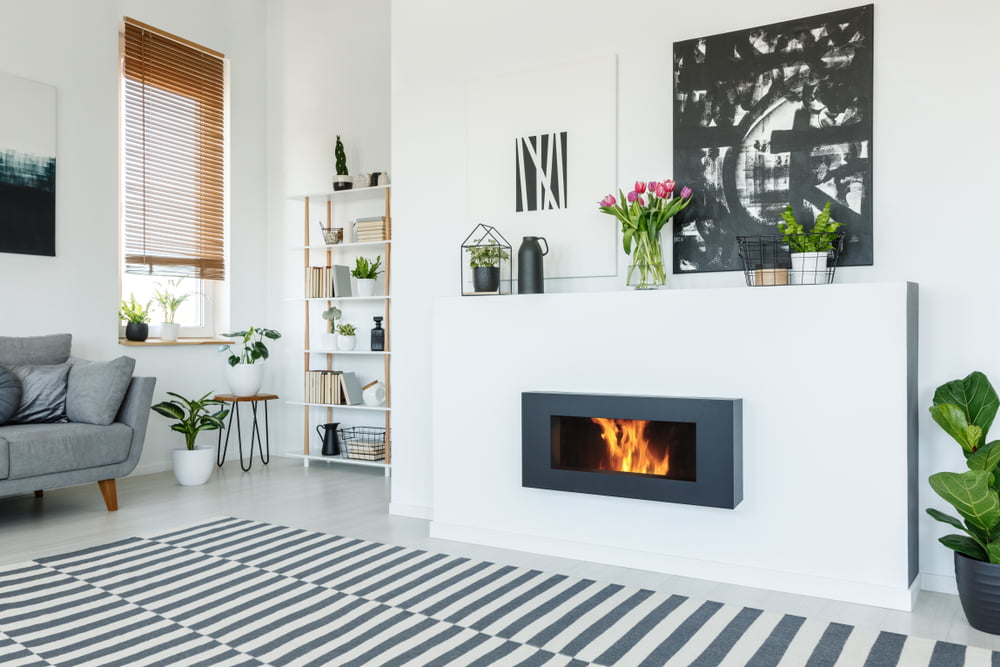
The theme of statement pieces in home design is a well-known one among many interior design professionals and longtime homeowners, and there are several different design elements you might consider to serve as such a statement piece. One of the most common and effective such selections, both for today’s homes and many in the past: A fireplace.

At Uintah Fireplace and Design, we’re happy to offer a variety of the best fireplace options around, including gas fireplaces, electric fireplaces, log inserts and more. What exactly is a statement piece in a home, and what are some important considerations to keep in mind if you’re using a fireplace as your statement piece? Here’s a primer.

What is a Statement Piece?

First and foremost, it’s important to understand what a statement piece actually is. A statement piece in home design can be any type of element that makes a bold visual impact and serves as a focal point in the room. It might be an item with an interesting story or unique history, or it might simply be an exceptionally beautiful or well-crafted object.

Regardless, the point of a statement piece is to add personality and character to your space. It should be something that you really love and that reflects your own personal taste, style and interests.

Why Use a Fireplace as a Statement Piece?

There are several reasons why using a fireplace as your home’s statement piece can be an excellent idea. For one thing, fireplaces are naturally quite striking and attention-grabbing. They also tend to be located in the center of the room, which further helps them to serve as a focal point.

Another reason to choose a fireplace as your statement piece is that they can be quite versatile. Depending on the style of fireplace you select, it can help to set the overall tone and mood of the room. For example, a rustic stone fireplace might give the space a more cozy and inviting feel, while a sleek and modern gas fireplace might add a touch of luxury and sophistication.

Finally, fireplaces are also functional elements that can be used to heat the home. This is especially important in the winter months, when a working fireplace can be a real lifesaver.

Our next several sections will go over some considerations for utilizing a fireplace as your statement piece.

Keeping Everything Cohesive

One of the most important things to keep in mind when using a fireplace as your statement piece is the need to keep everything else in the room cohesive. Remember, the point of a statement piece is to serve as a focal point and help to tie the room together.

If your other design elements are too disparate or clash with each other, it can take away from the impact of your fireplace. As a general rule, it’s best to stick to a relatively simple and unified color palette throughout the space. This will help to ensure that everything works well together and doesn’t distract from your statement piece.

Including Other Elements

In addition to keeping everything cohesive, you’ll also want to make sure you include other elements in the room to help balance things out. Remember, your goal is to create a space that feels inviting and welcoming, not one that feels cramped or cluttered.

Including other design elements will also help to create a sense of visual interest and depth in the room. Some ideas for additional elements you might want to consider include a mantel, a mirror, shelving, artwork or even a rug.

Patterns and Textures

Another important consideration is the use of patterns and textures. When used correctly, these can add a lot of visual interest and dimension to the room. However, it’s important to use them sparingly so as not to overwhelm the space or take away from the impact of your statement piece.

Some ideas for incorporating patterns and textures into the room include using a wallpaper with a subtle pattern behind the mantel, adding a textured rug in front of the fireplace or even using accent pillows with interesting textures.

Lighting

It’s important to consider the lighting in the room as well. Fireplaces tend to be quite bright and can cast a lot of light into the space. As such, you’ll want to make sure you have other light sources in the room to help balance things out. This will prevent the room from feeling too bright or harsh and will help create a more inviting and relaxing atmosphere.

Some ideas for adding additional lighting include table lamps, floor lamps, wall sconces or even candles. Just be sure not to overdo it, as too much light can be just as problematic as too little.

Where the Fireplace Goes

Finally, one of the most vital considerations is the placement of the fireplace itself. As we mentioned before, fireplaces tend to be located in the center of the room. However, depending on the size and layout of your space, this might not always be possible.

If you’re struggling with where to place your fireplace, a good rule of thumb is to try and center it on an adjacent wall. This will help create a more balanced look and feel in the room.

Utilizing a fireplace as your statement piece is a great way to add visual interest, depth and dimension to your space. Just be sure to keep everything else in the room cohesive, include other elements and consider the lighting carefully.

For more on how to utilize a fireplace as a statement piece in your home, or to learn about any of our fireplace products or services, speak to the team at Uintah Fireplace and Design today.

Page 3 of 6
123456